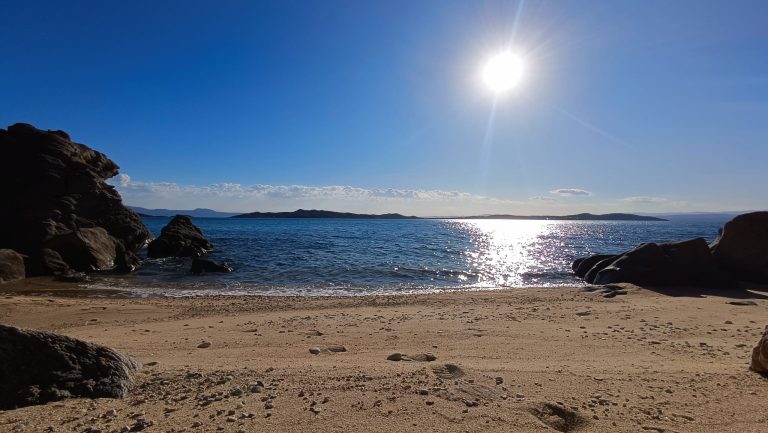

2026 Weather in Halkidiki for tourists – Mount Athos pilgrims.
 The Halkidiki Weather region has two large mountains, the mount Holomonta in the center and the mount Athos at the Athos peninsula to the SE. Apart from the northern part all the other area of Halkidiki is surrounded by sea, with the three major peninsulas Kassandra, Sithonia, and Athos, to increase too much the seafront. Halkidiki Weather Climatic differences between the mountainous and coastal parts thus forming many local microcapsule Lima linked both by altitude and the distance from the sea. Generally, though winter is characterized by low temperatures, with enough rainfall or snowfall (especially in the mountainous part) by the end of November to April and summer is relatively warm with little local rain.
That is the main thing guests notice once they start moving around. You can have a cooler breeze up towards the interior and at the same time proper summer heat down at the beach, especially on the peninsulas. So if you check a forecast that just says “Halkidiki”, keep in mind it can feel different from one bay to the next. Somtimes it is as simple as changing the side of the coast.
What shapes the weather in Halkidiki
Halkidiki sits just south of Thessaloniki and stretches into the North Aegean with three long “fingers” of land. This geography is why the weather here is rarely one-size-fits-all. The sea is always close, so it softens extremes near the coast, while the mountains can hold cooler air and more moisture. If you want a clean geographic overview of the region and its shape, this page helps for orientation: https://en.wikipedia.org/wiki/Chalkidiki.
Mount Holomonta and Mount Athos create local microclimates
Holomonta in the center works like a cooler reservoir. At night, especially in spring and autumn, the air coming down can feel surprisingly fresh compared to the waterfront. Mount Athos on the Athos peninsula is a strong relief that affects cloud formation and gusts. It is not unusual to see a shower on one side while a few kilometers away the sky is clear. This is why we tell people not to cancel a day too quickly. Often you can just drive to a different side and save the plan.
The three peninsulas do not “behave” the same
Kassandra, Sithonia, and the Athos Coast all have sea around them, but the wind exposure changes a lot depending on bays, openings to the open Aegean, and the background hills. In peak summer, you can feel the temperature change within a short drive, just because the coast turns and the breeze hits differently.
- Kassandra: easier access from Thessaloniki and usually busier in summer. Heat can linger into late afternoon, especially on calmer days. When there is a north wind, some beaches are naturally more protected depending on orientation, so locals pick spots accordingly.
- Sithonia: more variety, with small coves that block wind and other points that catch it directly. Mornings can be calmer and afternoons can bring a light breeze. If you like exploring different coastlines by car, Sithonia fits well.
- Athos Coast: a mix of sea influence and the Athos mountain mass. Often you get very clear air and beautiful light, but also quick shifts when wind turns. If one side feels rough, there is usually a calmer option nearby if you know which way the beach faces.
Sea, humidity, and why “feels like” matters
Guests often focus only on temperature. Here, wind and humidity matter just as much. A day at 30 degrees with a light breeze feels perfect. A day with fewer degrees but high humidity and no wind can feel heavier. And when it blows, the simple trick is to choose the beach according to wind direction. We do it without thinking. We look at the flags, trees, and the wave line and pick the other side if needed.
- If you see strong wave and wind on one coast, the opposite coast of the same peninsula is often calmer.
- Closed bays reduce wind, but humidity can stay, especially at night.
- Open beaches get more breeze and cooler air, but umbrellas and inflatables need attention.
What to expect by season
Spring (March to May)
Spring is one of the nicest times for walking, quiet drives, and villages. Weather is mild but changeable. You can start with sun and then a quick cloud passes with a few drops. Nights can be cool, especially near forest areas or slightly higher ground, so bring something warm even if the day looks bright. Many visitors underestimate this and then end up asking where to buy a light jacket.
- Great for couples, nature lovers, and anyone who wants fewer crowds.
- Sea warms up slowly. Swimming is usually more comfortable from late May, depending on the year.
- If you drive towards Holomonta, expect cooler air and faster changes up there.
Summer (June to September)
Summer is warm with little local rain, as the basic description says. The comfort level depends on wind. With a north breeze, beach days are easy and nights are pleasant. When wind drops and humidity rises, especially in closed bays, heat can feel heavier. July and August bring the biggest crowds, so roads and parking at popular beaches need patience and good timing. One practical thing: cars heat up fast in full sun, so a windshield shade makes a real difference.
- For families, mornings at the beach are easier, then a slower afternoon break when the sun is strongest.
- For couples, evening seaside walks are the best way to cool down after the day.
- If you do not like heat, choose accommodation near a spot that usually catches a breeze and plan longer drives early.
Autumn (October to November)
Autumn has a softness many people love. September and often October still feel like summer, with gentler temperatures and fewer people. The sea can stay warm and clear after the long summer. As November gets closer, rain becomes more frequent. If you like quiet holidays, it is a very good period, just keep your plan flexible because a weather front can take a day. Some years the first strong storm arrives suddenly, so check updates and do not leave it to luck.
- Good for couples, small groups, and anyone who enjoys golden afternoon light.
- Nice for calm beaches and clear water without the peak season rush.
Winter (December to February)
Winter brings lower temperatures and more rain, and in the mountainous part you can see snow. Coastal areas are milder, but sea wind can feel sharp. It is a season for quiet drives, coffee in villages, and slower experiences rather than classic beach days. If you drive towards higher areas, check conditions first because Holomonta can look very different from the coast.
How to reach Halkidiki and move around when weather changes
Most visitors arrive via Thessaloniki, either from the “Makedonia” airport or by road through the city. From there you head south into Halkidiki. Distances look short on the map, but summer traffic, curves, and stops for viewpoints or beaches add time. If it is very hot, driving early in the morning or later in the afternoon is easier. In August, parking in popular spots can be the hardest part of the day, honestly.
- For day trips, start early to find easier parking and calmer water.
- Keep water in the car and a few snacks, especially with children.
- After rain, smaller roads can have dirt and stones, so drive slower than usual.
What to do depending on the weather
This is what we like about Halkidiki. A day rarely gets “ruined”. It just changes shape. And often those are the days people remember most, because they do something different than the usual beach routine.
- Sunny and calm: beach time, swimming, and a mask for the water. Outside peak weeks, water clarity can be amazing.
- Windy: pick a beach in a more sheltered bay or on the opposite side of the peninsula. That is the local move.
- Cloudy or light rain: village walk, coffee, and local food. On the Athos Coast the softer light is great for photos.
- Strong heat: shade, water, slower pace. Avoid pushing hard between 12:00 and 16:00, especially with kids or older travelers.
Contact us for 2026 offers and family/group discounts.
Pack smart for microclimates
If you want to be comfortable without carrying everything, treat Halkidiki as a destination of small climate zones. Even in summer, a light jacket helps for evenings by the sea or if you go inland. Sun can also feel strong here, especially after a clear north wind when the atmosphere is crisp.
- Hat and sunscreen for strong sun hours, especially July and August.
- A light windbreaker for evenings or breezy days.
- Comfortable shoes if you plan to walk on tracks or short trails.
- A backup beach idea, because if one side is windy, another is often protected.
- A small travel kit for bites if you sit near pine trees at sunset.
For reliable forecasts, check official sources
Because differences can be big, it helps to check the forecast for the specific area you stay in and not only “Halkidiki” as one label. For sources that are usually more accurate and updated, these are worth using:
- Hellenic National Meteorological Service (EMY) for official forecasts and warnings.
- meteo.gr (National Observatory of Athens) for detailed maps and local stations.
- Civil Protection for guidance during stronger weather events.
Extra local notes visitors ask about
- Do not judge the whole day by the morning sky. It often clears fast, especially in summer.
- If you see bad weather, check the next area too. Twenty kilometers can be a different story.
- For road trips, add time for stops. The drive is part of the holiday, not a race.
- If you travel in spring or autumn, bring something for the evening. That is where most people get caught out, and then they feel cold at a seaside taverna.
- If strong wind starts, pack beach items early. One gust can break an umbrella or cover you in sand.
- With small kids, choose beaches that have natural shelter on wave days.
Charts with rainfall, temperatures, and meteorological data
The charts below help you see the general yearly trend. They are not a rule for each day, but they give a good feel for when rain increases, when temperatures rise, and what is usually stable. If you are planning time off, these details can help you choose a period that matches the kind of holiday you want. Small note, microclimates still apply, so use them as a guide not a promise.


If you are planning activities that depend on calm seas, like a simple boat day or a longer swim, keep an eye on wind rather than only temperature. And if a forecast looks mixed, do not stress. In many cases you can still find a calm corner, especially if you are willing to move a bit and not lock yourself into one beach for the whole day.
Contact us for 2026 offers and family/group discounts.
Contact us
to see the availability or offers for your stay.
send us an email to info@pansionathos.gr
call us: +306957638384 or +302377071337
call us or send a message via WhatsApp
send an SMS text message
call us or text us on Viber
Don’t forget to mention:
- Number of Persons, Possible Dates, Requirements