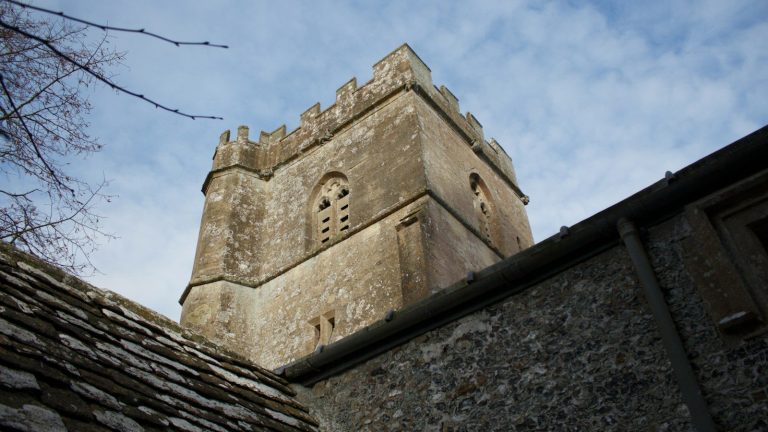

Dionysiou Monastery, Mount Athos
If this is your first time coming to Ouranoupoli to visit Mount Athos, Dionysiou Monastery is one of those stops that stays with you. You see it “hanging” above the sea and immediately understand why it’s called a castle-monastery. Locals here watch every season as pilgrims arrive anxious and return calm.
Dionysiou Monastery on Mount Athos: what it’s really like
Where it is and what to expect when you see it
Dionysiou Monastery sits on the southwest side of the Athos peninsula, perched on a rock with views over the Aegean. Geographically, it’s in the area most visitors know as the “Athonite State,” opposite Ouranoupoli on the eastern edge of Halkidiki. It ranks fifth in the hierarchy of Mount Athos monasteries, but along the coastline people often refer to it differently, so don’t be confused if you hear “14th in line.”
The first thing that strikes you is its bulk: multi-story, with tall walls and wooden balconies jutting out over the cliff. When the northerly wind blows, you can hear the waves down below and the scene becomes even more dramatic. On clear days the light on the stone is incredible, especially early in the morning.
History and foundation, briefly but accurately
The monastery was founded in the 14th century, around 1375, by Saint Dionysius of Koritsa. The completion of its buildings is linked to the patronage of the Emperor of Trebizond, Alexios III Komnenos, who issued the famous chrysobull kept at the monastery. These details aren’t just “tourist facts” — they’re part of the place’s identity.
The monastery faced hardships, including pirate attacks and the great fire of 1535. Still, it maintained its spiritual continuity and strict monastic tradition. You feel that today in the order, the silence, and the way time moves within the walls.
Architecture and aesthetic: Athos’s “castle-monastery”
Space is limited here, so the monastery developed vertically. The result is impressive and a little cinematic, especially when you approach by sea. The tall walls and hanging wooden elements are not only beautiful — they’re practical, defensive, and adapted to the rock.
In the katholikon you’ll see frescoes by the painter Tzortzis (1547), from the Cretan School. Even if you’re not an expert, the detail and colors hit you immediately. Don’t rush — step back and let your eyes adjust to the low light. If you visit at a quiet time, the experience is more peaceful.
Holy relics and the library: a small treasure
Dionysiou Monastery is considered a real treasury of Mount Athos. It’s not a “museum” in the city sense; it’s a living place of worship, so respect and low tones are required. Some of the frequently mentioned relics are the Panagia of the Akathist, Alexios III’s chrysobull, and the right hand of Saint John the Forerunner in a precious reliquary.
The monastery’s library holds over 800 manuscript codices and more than 5,000 printed books, including rare editions. These items aren’t always available for public viewing as people imagine. Access is governed by rules and the monastery’s guidance, and rightly so.
“The Castle of the Forerunner” and the dedication
The monastery is dedicated to the Nativity of Saint John the Forerunner. That’s why many call it the “Castle of the Forerunner.” It’s not an exaggeration — its position on the rock, its fortifications, and the sense of protection all fit this image.
If you want more context about Mount Athos and its rules, there’s a solid overview on the Wikipedia page for Mount Athos and, of course, official state and local channels. For practical matters, the official site of the Municipality of Aristotle, which covers the Ouranoupoli area, is also helpful: dimosaristoteli.gr.
Feasts and the calendar: what “Old” means in practice
Like all of Mount Athos, the monastery follows the Julian (Old) Calendar. That practically means feast dates fall differently compared to the New Calendar used in daily life. The main feast is the Nativity of Saint John the Forerunner on June 24, which corresponds to July 7 on the New Calendar.
The memory of Saint Niphon, Patriarch of Constantinople, who lived as a monk there, is also celebrated. During those days activity can increase, so plan ahead and be patient. If you prefer quiet, choose calmer weeks; if you want to experience a feast, know it’s possible but requires preparation.
Access from Ouranoupoli: the usual way
Access to Dionysiou Monastery is mainly by sea from the port of Ouranoupoli. Small boats depart from here and stop at the monastic arsanals. The monastery has its own arsanis, and from there you climb a short but steep path. It’s not extreme, but with a backpack and heat you’ll feel it, especially in July and August when humidity sits on you.
Don’t rely on unofficial timetables that circulate by word of mouth. Schedules change with season, weather, and needs. It’s better to confirm with official sources and the Pilgrim Office. For weather, which directly affects the sea, check meteo.gr before you go. A meltemi can make the trip lively and, for some, tiring.
Practical tips that save time and nerves
In Ouranoupoli it’s important to be organized the day before. Have your documents ready, know where you’ll pick them up, and don’t rush at the last minute with suitcases. We see it every year: people arrive late at night, haven’t slept, and start the morning already tired. It’s a shame, because a pilgrimage needs a clear mind.
Simple clothes, sturdy shoes, and a bottle of water. You’ll need it on the path from the arsanis, especially in sun. If you have back sensitivity, don’t carry too much. One more humble but true tip: bring a light windbreaker, even if it’s hot in Ouranoupoli. At sea and on the rock the wind changes quickly.
When to go, depending on what you want to experience
Spring and early summer usually offer clear air and milder temperatures. The sea is cooler, but the boat ride is pleasant with less heat. July and August bring more activity in Ouranoupoli, fuller boats, and sticky heat. If you can’t stand crowds, avoid peak weeks.
September is a favorite month for many. The sea is calmer most days, the light is softer, and Ouranoupoli still has life without being overwhelming. In winter things are more serious: fewer people, but weather can delay you. If you plan off-season, allow flexibility and watch weather reports closely.
Who it suits best
Dionysiou Monastery suits those who want a strong sense of a “castle” and grandeur, and people moved by the art of the Cretan School. It’s a good choice for pilgrims who want to combine a visit with hikes to neighboring monasteries, provided they have basic fitness.
For older visitors it’s doable but requires a gentler pace. The path from the arsanis is steep and the heat can tire you. For groups, coordination and quiet behavior help. For travelers looking for a purely “photographic” trip, remember this is a sacred place with rules. The experience here isn’t for show, it’s for substance. That’s how it feels.
Where to stay in Ouranoupoli before crossing
The most practical move is to stay in Ouranoupoli the night before. You’ll be next to the port and close to the Pilgrim Office, so you don’t rush in the morning. If you want a quiet base, see the Athos Guest House – Pansion. For many pilgrims, sleeping well and leaving without hurry is half the trip.
It helps a lot to be able to leave luggage safely while you’re on the Mountain and to have a clear picture of what’s happening with the boats, especially when the weather changes. If you want, you can call us and we’ll tell you what we usually see at the port these days.
Contact us for 2026 offers and family/group discounts.
Suggested 4-day route, without extremes
For those who want a sensible plan that doesn’t exhaust you, four days are enough to get a good taste. A flow we often recommend to our guests is:
- Day 1: Arrival in Ouranoupoli, check-in, rest and overnight at Athos Guest House – Pansion.
- Day 2: Morning departure by boat, arrival at the arsanis and climb to Dionysiou Monastery. Pilgrimage and overnight stay.
- Day 3: Hike of about 1 hour to Saint Paul’s Monastery or Grigoriou Monastery, depending on guidance and your abilities.
- Day 4: Return to Ouranoupoli, rest, simple local food, and departure.
Useful phone numbers and small details that matter
Keep a few contacts handy on your phone, because when you’re on the road you don’t want to be hunting for scraps of paper. Also know that sometimes signal is weak inside the Mountain, so it’s useful to have the essentials noted down.
- Dionysiou Monastery (Reservations): +30 23770 23687
- Ouranoupoli Pilgrim Office: +30 23770 71421
- Athos Guest House – Pansion: +30 23770 71337, +306957638384
- Ouranoupoli Port Authority: +30 23770 71248
A little more local guidance before you set off
If you’re driving to Ouranoupoli, come with time. Parking near the port fills up easily on peak days and especially when groups arrive. It’s better to arrive early, park calmly, and take a short walk to the Ouranoupoli Tower to clear your head. Don’t run to the boat — you’ll pay for it later.
One last thing we’re asked all the time: for official updates about the Region of Central Macedonia and the area in general, check visitgreece.gr. For specific access and procedures, always verify with the competent authorities, because rules can change.
If you want to organize things easily in advance
If you prefer to have someone in Ouranoupoli tell you what to watch for, where the Pilgrim Office is, how to move in the morning and what to bring, we’re here.
Contact us
to see the availability or offers for your stay.
send us an email to info@pansionathos.gr
call us: +306957638384 or +302377071337
call us or send a message via WhatsApp
send an SMS text message
call us or text us on Viber
Don’t forget to mention:
- Number of Persons, Possible Dates, Requirements
Sometimes a simple phone call and a good night’s sleep before the crossing change the whole experience. If you like, see our accommodation options at Athos Guest House – Pansion and book directly so you can be at ease.
Contact us for 2026 offers and family/group discounts.