Karakalou Monastery — Mount Athos
If you are coming to Mount Athos for a pilgrimage for the first time, Karakalou Monastery is one of those places that holds you with its silence and the power of its history. We have seen it move people of every age, especially when they arrive from Karyes by bus or on foot and feel like they are entering a real fortress.
From Ouranoupolis, which is our “gateway” to the Athonite state, it helps a lot to know in advance what you will see, what to watch for, and how to organize your days properly. Small details make a difference, especially on a trip that has schedules, rules, and a fair amount of walking.
Karakalou Monastery in brief
The Karakalou Monastery ranks eleventh in the hierarchy of Mount Athos monasteries. It was probably founded in the late 10th or early 11th century. Tradition links its name either to the Roman emperor Caracalla or (more likely) to a monk named Karakalas who lived there at that time.
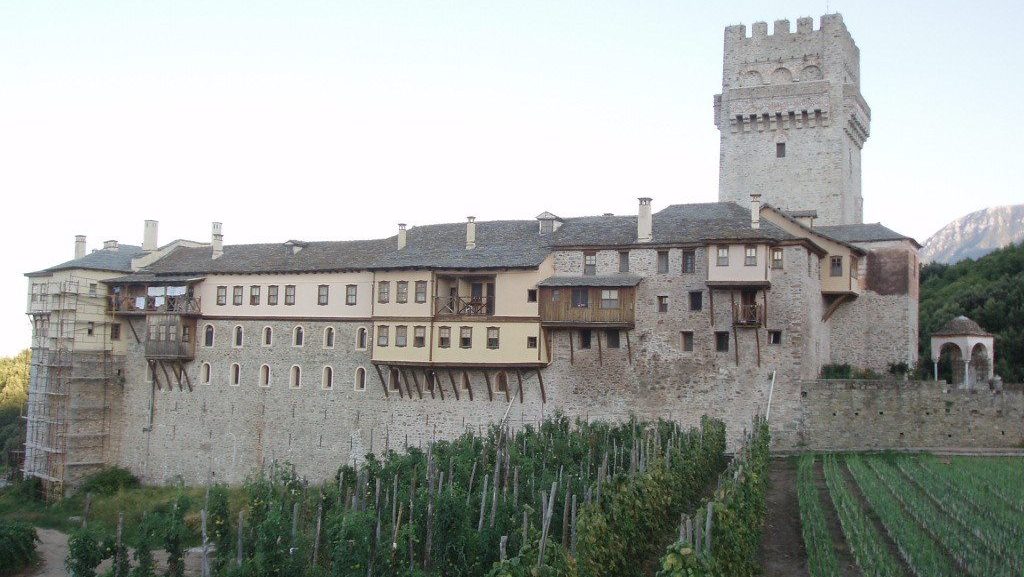
Over the centuries the monastery experienced periods of prosperity as well as destruction from pirate raids, with significant patrons among the Byzantine Palaiologos emperors and the rulers of Moldavia and Wallachia. You don’t just read this on a sign. You see it on the walls, in the layout of the complex, in the tower and the courtyards.
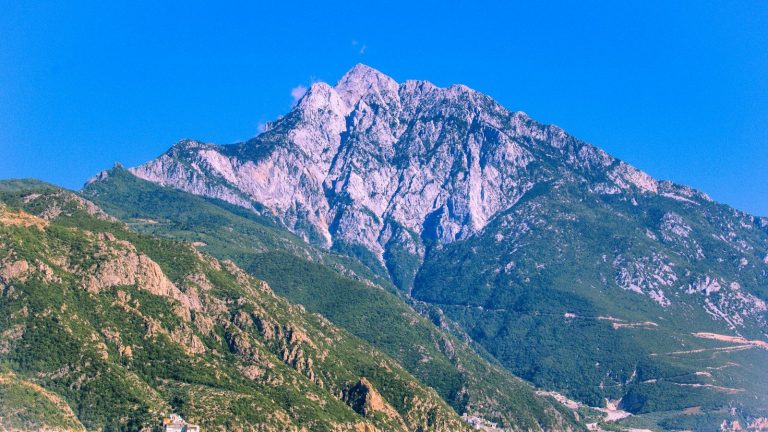
Geographically, the monastery is on the eastern side of Mount Athos, at a distance usually covered easily from Karyes by bus. If you love walking, there is also a hiking route, but it requires time, water, and proper shoes. Don’t underestimate it, especially if it’s hot or humid. Sometimes the weather closes in suddenly and the route becomes heavier than you imagined.
Architecture & Tower
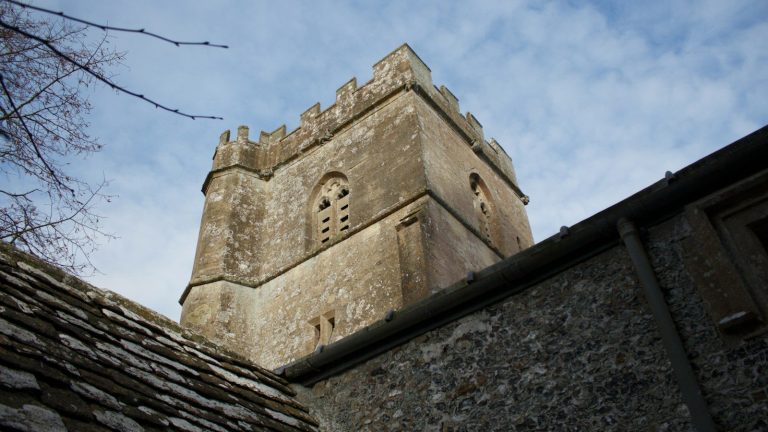
The monastery has a fortress-like form, with the imposing Monastery Tower dominating the site — one of the most beautiful and best-preserved on Mount Athos, built in the 16th century. When you see it up close, you understand why monasteries had to be shelters as well. Pirate raids are not just a historical note; they are the reason these places were built this way.
The monastery’s main church (Katholikon) is dedicated to the chief apostles Peter and Paul and was built between 1548–1563. It features excellent frescoes and a rarely fine carved wooden iconostasis. Visitors usually linger there a little longer, not only to look but to calm down. If you catch a moment with no crowd, it’s a real gift.
A small practical tip from our years here: keep your voice low indoors and set your phone aside. It’s not just a formality. It changes the whole experience, and you feel it immediately. If you need information, ask simply. The monks appreciate a calm manner and will usually guide you.
Holy Relics & Exhibits
Karakalou Monastery is also known for its relics. This is not a “museum-style” visit like in secular places. Here relics are a living part of worship and tradition, and it’s good to approach them with respect and time.
- Holy Wood: A fragment of the Lord’s Cross.
- Holy Relics: The skull of Saint Apostle Bartholomew and of Saint Christopher.
- Icons: The miracle-working icon of the Apostles Peter and Paul (18th century).
If you go with the mood to “catch everything,” you usually get tired and leave with a half-feeling. Better a few meaningful moments. A candle, a prayer, some silence. Those stay with you.
The Library
The Karakalou library is housed in a secure location and contains more than 270 manuscript codices, around 2,500 printed books, as well as rare chrysobulls and historical documents. For those who love history, it’s overwhelming to think how many hands, how many eras, and how many trials these volumes passed through and yet survived.
Don’t always expect everything to be accessible like in a public library. Mount Athos operates on its own rhythms, and rightly so. If you are interested in something more specific, ask politely. Sometimes they will tell you what can be done, based on time, obligations, and the monastery’s schedule. It requires patience, but it’s worth it.
Festivals & Calendar
The monastery follows the Julian Calendar (Old), which is 13 days behind the civil (New) calendar. This confuses many visitors, especially when planning a trip around a feast or a specific service. It’s wise to note this in advance and confirm dates.
It also commemorates Saint Gedeon of Karakalou (December 30 / January 12). For the main feast of the Apostles Peter and Paul, the dates are June 29 on the Old calendar and July 12 on the New. If you want to be there on those days, start the process early. Then traffic increases and accommodations become harder to arrange.
For information that doesn’t change by word of mouth, check official sources: for general background on Mount Athos, Mount Athos on Wikipedia helps set the context. For our region and access from Halkidiki, Visit Greece is the safest general reference. And for the weather, especially if you plan to hike or take a boat, check meteo.gr shortly before you leave.
How to organize it from Ouranoupolis
In practice, Ouranoupolis is the base that suits most people. This is where you receive the Diamonitirion, where you are close to the harbor, and where you can sleep peacefully before entry, without stress. From experience, anyone who tries to cram the hours pays for it with fatigue.
Athos Guest House – Pansion sits beside the pilgrim’s daily flow. Stay the night before, wake early, walk to the Pilgrim Office, and then head down to the harbor without rushing. That is the calmest start you can have, especially if you travel from Thessaloniki or farther and already have travel behind you.
Contact us
to see the availability or offers for your stay.
send us an email to info@pansionathos.gr
call us: +306957638384 or +302377071337
call us or send a message via WhatsApp
send an SMS text message
call us or text us on Viber
Don’t forget to mention:
- Number of Persons, Possible Dates, Requirements
The route step by step
The simplest way to set it up is the following, without getting tangled in details that change day to day:
1. Stay at Athos Guest House the night before so you are close to everything.
2. Pick up your Diamonitirion from the Pilgrim Office in the morning, about a 5-minute walk from us.
3. Board the boat to the port of Dafni. In some cases there’s also an option for faster transfer to the eastern side, but that depends on the day and schedules, so check officially.
4. From Karyes, Karakalou Monastery is about 30–40 minutes by bus or roughly a 3-hour hike.
If you are considering hiking, do it only if you are comfortable with climbs and dirt tracks. Spring and autumn offer the best conditions, with clear air and less heat. In summer, especially July and August, walking during midday is challenging. Start early and always carry water. Humidity near the forest and sudden weather changes are not to be underestimated.
When to go and what to expect by season
Speaking as someone who sees pilgrims every day, the best time to experience Karakalou Monastery without pressure is from March to early June and again from mid-September to November. Then the light is softer, trails are more pleasant, and the courtyards aren’t as crowded.
Summer has more traffic, more heat, and generally everything requires a bit more patience. In winter, the experience is very solemn but needs preparation: layered clothing, good windproof protection, and care with transfers, as weather can cancel routes. Whatever you choose, check official announcements before you leave, because on the Holy Mountain the schedule follows the weather as much as the clock.
Who it suits best
The monastery suits people who want a combination of striking architecture and a meaningful pilgrimage. If you are moved by old manuscripts, frescoes, and relics, you will find things you won’t forget easily.
For older visitors, access via Karyes and bus is the most comfortable solution. For couples or groups of men traveling in an organized way, it works well as a stop within a 4- or 5-day itinerary. For nature lovers, walking between the monasteries is an experience, as long as you don’t make it a race.
Suggested 4–5 day pilgrimage at a relaxed pace
If you want a practical itinerary that won’t exhaust you, this plan has worked for many of our guests. It’s not a rule—just a good base.
- Day 1: Arrival in Ouranoupolis and stay at Athos Guest House – Pansion.
- Day 2: Entry to Mount Athos, transfer to Karyes, visit the Protaton, and overnight at Karakalou Monastery.
- Day 3: Hike to the nearby Philotheou Monastery and overnight at Hilandar Monastery.
- Day 4: Transfer to the Great Lavra Monastery or visit the Skete of Saint Andrew.
- Day 5: Return to Ouranoupolis, relax and overnight at Athos Guest House – Pansion to decompress.
If you have only 2 or 3 days, don’t try to fit everything in. Better to make fewer stops and have time to attend a vigil or a service without constantly watching the clock. That’s where the experience changes.
Contact us for 2026 offers and family/group discounts.
Small practical items that save the day
On Mount Athos, simplicity is the best guide. A small backpack, a spare pair of socks, a flashlight, and a light jacket even in summer. Nights can cool down, and some places feel colder. Also, always keep your documents in a safe place. Don’t throw them carelessly in an outside pocket.
For Ouranoupolis, leave some time before you depart for the Holy Mountain. A quiet evening, a simple meal, and an early night. In the morning everything runs smoother. If you want, we can tell you the best spot in the village for a quiet coffee to catch your breath before you start. A small thing, but it puts you in the right mood, especially if you come from a city.
Useful phone numbers
Keep the following, because when you’re on the road a phone call solves many things. For anything that may change, it’s good to confirm with the official services.
Karakalou Monastery: +30 23770 23225
Pilgrim Office of Ouranoupolis: +30 23770 71421
Ouranoupolis Port Authority: +30 23770 71248
Athos Guest House – Pansion: +3023770 71337, +306957638384
Contact us for 2026 offers and family/group discounts.